

SI Joint Pain Symptoms & Treatment
Sacroiliac Joints Pain Resulting in Low Back and/or Leg Pain
SI Joint Pain is the result of Sacroiliac Joint (SI Joint) dysfunction, which may also be referred to as:
- sacroiliac joint disorder;
- sacroiliac joint syndrome;
- sacroiliac joint strain; and
- sacroiliac joint inflammation.
Each of these terms refers to a condition that causes pain in the sacroiliac joints and results in lower back pain and/or leg pain.
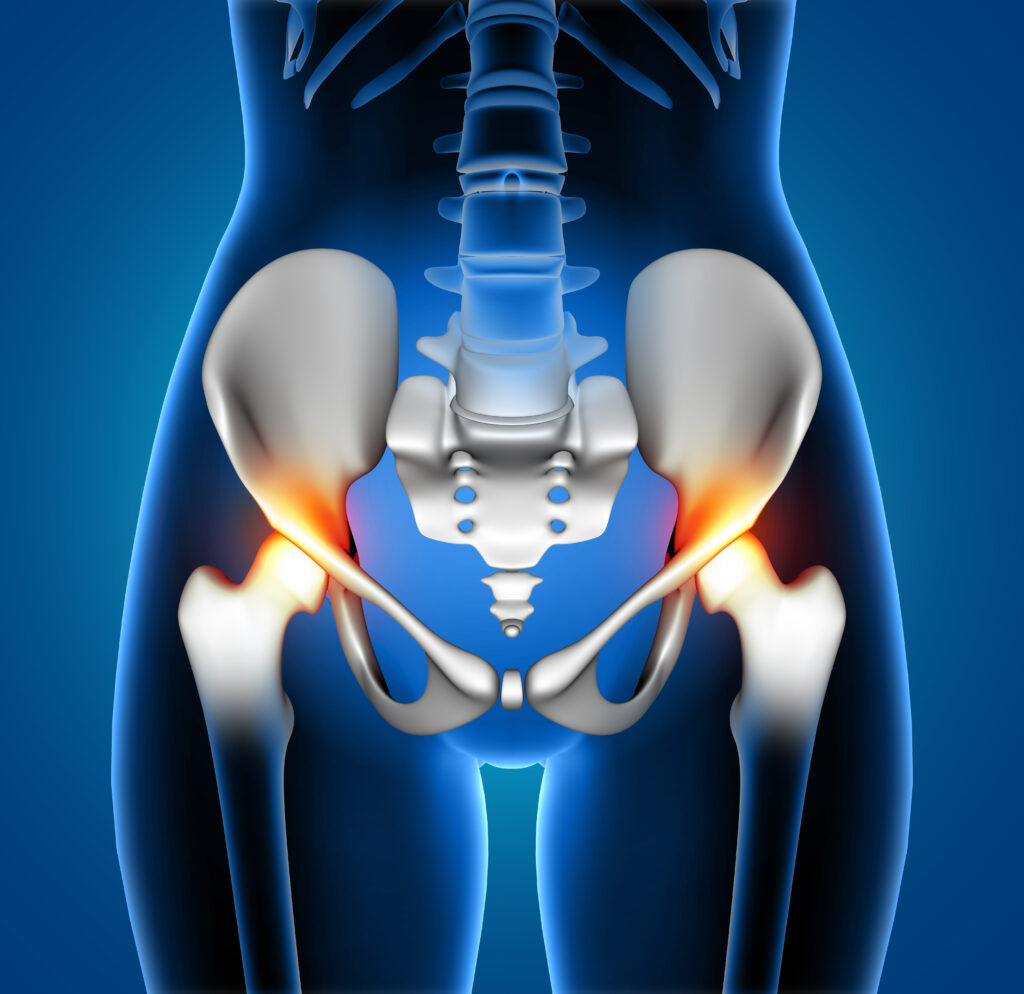
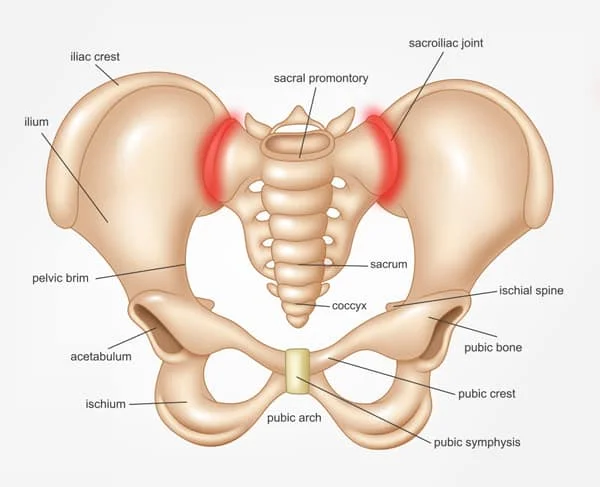
The sacroiliac joint connects the triangular bone at the bottom of the spine (the sacrum) with the pelvis. As with most other joints in the body, the sacroiliac joints have a cartilage layer covering the bone which allows for some movement and acts as a cushion between the bones. When this cartilage is damaged or worn down, the bones begin to rub on each other. As with other weight-bearing joints of the body, this can lead to osteoarthritis. Your doctor will order advanced diagnostic imaging to confirm this diagnosis before beginning treatment.
The discomfort of SI Joint Pain can often be traced back to inflammation and muscle imbalances. SpineOne uses a multi-disciplinary approach of minimally-invasive procedures to reduce the inflammation and relieve debilitating pain, while recommending a consistent physical therapy routine to correct muscle imbalances and resume normal range of motion. SpineOne patients receiving this combination of therapies often report significant improvement of sacroiliac joint pain, resumption of normal activity, and increased quality of life.
SI Joint Pain Symptoms
- Pain in the lower back or the back of hips
- Pain in the groin area and thighs
- Increased pain while walking or standing for a long period of time
- Pain relief while lying on one’s back
- A stiffness or burning feeling in the hips
What Causes Sacroiliac Joint Pain?
As with most other joints in the body, the SI joints have a cartilage layer covering the bone, which allows for some movement and acts as a cushion between the bones. When this cartilage is damaged or worn down, the bones begin to rub on each other. This is the most common cause of a condition called SI Joint Dysfunction.
There are many different terms for sacroiliac (SI) joint dysfunction, including sacroiliac joint disorder, sacroiliac joint syndrome, sacroiliac joint strain and sacroiliac joint inflammation. Each of these terms refers to a condition that causes pain in the sacroiliac joints and results in lower back pain and/or leg pain.

Will SI Joint Dysfunction Prevent Me from Normal Activities?
Many people with sacroiliac joint dysfunction are able to resume their normal activities after treatment. You’ll want to speak with a SpineOne physician to plan your particular treatment and get back into the swing of things.
What Kinds of Treatments for Sacroiliac Joint Pain are Available?
Some of the most common treatments for sacroiliac joint dysfunction include:
- Rest
- Physical therapy
- Medication
- Ice and heat therapy
- Interventional therapies (injections)