


Spine Conditions We Treat at SpineOne
Back or neck pain can be a cause for concern, especially when it interferes with your daily routine or limits the activities you enjoy. Understanding the source of your pain is often the first step toward peace of mind and a clear path forward. This page provides an overview of common spine conditions that may contribute to back and neck pain, helping you better understand what could be happening in your body.
While symptoms can feel overwhelming, we’re here to help you feel better. At SpineOne, your physician will guide you through a thoughtful diagnostic process that may include a physical exam and imaging to pinpoint the source of discomfort. From there, your care team can help explain your condition and discuss appropriate next steps for managing pain.

Understanding Spine Conditions
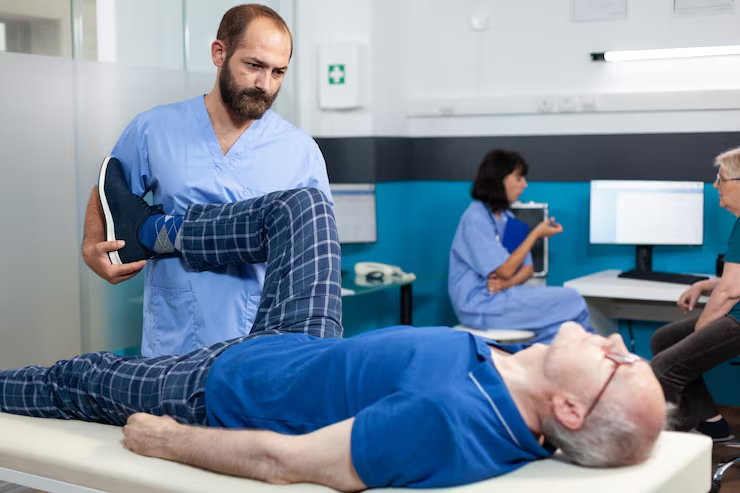
Physical therapy (PT) is a hands-on, movement-based approach to care that helps people improve how their bodies move and function. Instead of masking symptoms, physical therapy focuses on restoring strength, flexibility, balance, and mobility through guided exercises, manual techniques, and education. The goal is to help you move with more confidence and fewer limitations in your everyday life.
Physical therapy supports patients at many different points in their care journey, such as rehabilitation after surgery, recovery from sports or activity-related injuries, or long-term management of chronic conditions like arthritis or ongoing back and neck pain. Each PT plan at SpineOne is personalized and progress-driven, adapting as your movement improves and your goals evolve.
Types of Spine Conditions We Commonly See
Spine conditions can affect different parts of the spine and surrounding structures, often in overlapping ways. Below is a list of spinal conditions we help treat, grouped together based on where they typically cause pain.
Spine Conditions That Cause Neck Pain
Spine Conditions That Cause Upper Back & Shoulder Pain
Spine Conditions That Cause Low Back Pain
How Are Spinal Conditions Treated?
At SpineOne, neck and back conditions are treated using a personalized, step-by-step approach that takes into account your symptoms, diagnostic findings, and how pain is affecting your daily life. In many cases, care begins with conservative options such as physical therapy, which focuses on improving strength, mobility, and movement patterns while helping reduce strain on the spine.
For some patients, additional options may be considered to help relieve pain or inflammation. These can include image-guided, pain-relieving injections designed to target specific areas of irritation, as well as minimally invasive treatments that address certain spine conditions with less disruption to surrounding tissue.
Your physician will walk you through appropriate options based on your individual situation, explaining how each approach fits into an overall plan of care.
Trusted by Patients Across the Denver Metro Area
Comprehensive Spine Care Under One Roof
Living with back or neck pain can be frustrating, especially when it begins to affect your daily routine, work, or ability to stay active. If your symptoms have lingered longer than expected or you’re unsure what’s causing your discomfort, you don’t have to navigate it alone. Understanding what’s happening can be an important step toward relief and peace of mind.
At SpineOne, our team is here to help you take that next step with clarity and confidence. If you’re experiencing ongoing pain or simply want answers, we encourage you to reach out to schedule an appointment. Our spine specialists take the time to listen, evaluate your concerns, and guide you through the diagnostic process, so you can better understand your options and move forward with care that fits your needs.
Frequently Asked Questions
How do I know if my back pain is something serious or just temporary?
Back pain can range from short-term muscle strain to symptoms related to underlying spine conditions. Pain that improves with rest and time is often temporary, while pain that persists, worsens, or interferes with daily activities may need further evaluation. Since symptoms can overlap, a clinical exam and, in some cases, medical imaging are often needed to understand the cause.
Can cold weather or altitude changes affect spine pain?
Cold temperatures can cause muscles to tighten and joints to feel stiffer, which may increase discomfort for some people. Changes in barometric pressure or altitude may also affect how pain is perceived, particularly in people with existing spine or joint conditions. While these changes don’t cause spine conditions, they can sometimes make symptoms more noticeable.
Why does my pain flare up after workouts or weekend activities?
Pain flare-ups after being active can occur when certain movements place added stress on the spine or surrounding muscles and joints. Even healthy activities like exercise, hiking, or home projects can aggravate underlying issues if the body isn’t conditioned for them. These flare-ups don’t always indicate injury but may signal irritation or imbalance that needs attention.
Is numbness or tingling always a sign of nerve damage?
Numbness or tingling can occur for many reasons and doesn’t always mean permanent nerve damage. These sensations may result from temporary nerve irritation, inflammation, or pressure related to posture, movement, or spine conditions. Because the causes vary, a thorough evaluation helps determine whether symptoms are temporary or related to an underlying issue.
Can spine conditions improve without surgery or invasive treatment?
Many spine conditions are managed using conservative approaches such as physical therapy, activity modification, or pain-relieving treatments. The appropriate approach depends on the specific condition, symptoms, and individual goals. Surgery or invasive treatments are not always necessary and are typically considered only after a careful evaluation of all available options.