

Relieve Pain, Restore Movement, & Stay in Control — Without Surgery or Medication
McKenzie Method Physical Therapy in Denver Metro for Neck & Back Pain
If you’re dealing with ongoing neck or back pain, finding the right treatment can feel overwhelming. The McKenzie Method offers a different approach: one that’s focused on identifying the root cause of your pain, helping you move better, and teaching you how to manage symptoms on your own. At SpineOne, our physical therapy team uses the McKenzie Method to guide patients toward long-term relief through personalized movement strategies rather than temporary fixes.

What Is the McKenzie Method?
The McKenzie Method of Mechanical Diagnosis and Therapy (MDT) is a globally recognized system for evaluating and treating musculoskeletal pain. Developed by New Zealand physiotherapist Robin McKenzie, it provides a four-step structured approach to diagnosing and treating mechanical pain: Assessment, Classification, Treatment, and Prevention.
How the McKenzie Method Is Different from Traditional Physical Therapy
Unlike traditional physical therapy, which can rely more on passive treatments, the McKenzie Method emphasizes:
- Active participation in your recovery
- Fewer, more focused clinic visits
- Education to help you understand your pain
- Movement-based strategies to reduce symptoms
In many cases, this approach can help patients avoid unnecessary imaging, injections, or surgery when appropriate.
The McKenzie Method & the Centralization Phenomenon
A key concept of the McKenzie Method is centralization.
This occurs when pain that travels into your arms or legs begins to move back toward the spine during treatment. While it may seem counterintuitive, this is often a positive sign that the correct movements are being used.
Centralization helps your therapist identify the most effective exercises and direction of movement for your condition, making treatment more precise and effective.

Pain and Conditions the McKenzie Method Can Help With
The McKenzie Method is commonly used to address many different forms of pain and spinal conditions, including:
- Low back pain
- Neck pain
- Sciatica
- Herniated discs
- Radiating pain in the arms or legs
- Postural-related pain
- Limited mobility
Studies Supporting the McKenzie Technique
Research continues to support the McKenzie Method as an effective, movement-based approach for treating neck and back pain:
A clinical study published in Biomolecules & Biomedicine found McKenzie exercises significantly reduced pain, improved spinal mobility, and produced centralization (a strong predictor of successful outcomes) in over 60% of patients with low back pain.
A randomized controlled trial in Spine showed that patients with low back pain who experienced centralization (a key McKenzie principle) had significantly better outcomes and reduced long-term disability.
Research published in The Lancet and other peer-reviewed journals has highlighted that exercise-based, self-management approaches, like those used in the McKenzie Method, are recommended as first-line treatment for low back pain before more invasive options are considered.
A systematic review in Physical Therapy & Rehabilitation Journal found that classification-based treatment approaches, such as MDT, can improve outcomes when matched appropriately to patient presentation.
Benefits of the McKenzie Technique
Many patients appreciate the McKenzie Method because it focuses on lasting results. Here are the most notable benefits of this physical therapy approach:
Reduce Pain Without Surgery or Injections
The McKenzie Method focuses on targeted movements that address the source of pain, helping many patients find relief without relying on invasive procedures, medications, or repeated injections.
Restore Normal Movement & Daily Function
By improving how your spine moves and responds to activity, this approach helps you return to everyday tasks (like sitting, walking, and working) more comfortably and with greater confidence.
Learn How To Manage Your Pain Independently
With the McKenzie Method, you’ll gain a clear understanding of your condition and learn simple exercises you can perform at home, empowering you to take an active role in managing your symptoms.
Minimize Recurrence & Flare-Ups
This method emphasizes long-term strategies, including posture and movement awareness, to help reduce the likelihood of future pain episodes and keep symptoms from returning.
Fewer Visits Compared to Traditional PT
Since the focus of this physical therapy approach is on self-treatment and education, many patients require fewer in-clinic visits, making care more efficient while still supporting meaningful, lasting improvement.
The 4 Steps of the McKenzie Method
The McKenzie Method follows a structured, step-by-step process designed to identify the source of your pain and guide effective treatment. Each step builds on the last to help you move better, reduce symptoms, and maintain long-term results.

Assessment
Your therapist performs detailed movement testing to evaluate how your symptoms respond to specific positions and repeated movements.
Classification
Based on your assessment, your condition is categorized into one of three primary syndromes:
- Derangement Syndrome: Joint or disc-related issues affecting movement
- Dysfunction Syndrome: Restricted or shortened tissues limiting mobility
- Postural Syndrome: Pain caused by sustained positions or poor posture
Treatment
You’ll receive targeted exercises according to your classification, often involving repeated movements and posture correction. These are typically performed multiple times per day at home.
Prevention
As symptoms improve, your therapist will guide you in long-term strategies to maintain results and reduce the risk of recurrence.

How Long Does the McKenzie Method Take to Work?
Many patients begin to notice improvement within just a few visits. In some cases, meaningful relief can occur within 1–3 weeks.
Your results will vary depending on:
- The severity of your condition
- How consistently exercises are performed
- Accurate classification and treatment approach
Is the McKenzie Method Right for You?
While the McKenzie Method can be highly effective, it’s not the right fit for every condition.
You May Be a Good Candidate If You Have:
Mechanical neck or back pain
Pain that changes with movement or position
Radiating pain (such as sciatica or arm pain)
Symptoms that improve with repeated movement
When It May Not Be the Right Fit
Severe neurological disorders
Spinal fractures or instability
Certain inflammatory or systemic conditions
Keep in mind that this is a general overview. A proper evaluation with SpineOne’s physical therapists can help determine whether your pain responds to movement-based treatment and if this approach is right for you.
7 Basic McKenzie Exercises
The following images are examples of common movements used in the McKenzie Method. Your physical therapy program at SpineOne will be tailored specifically to your condition and needs. Exercises are often performed multiple times throughout the day for the best results.
Medical disclaimer: While these images are examples of some basic McKenzie exercises, this general information is not intended to replace guidance from your healthcare provider.






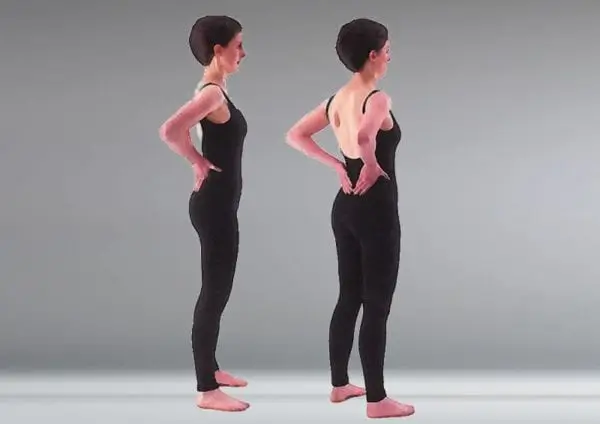



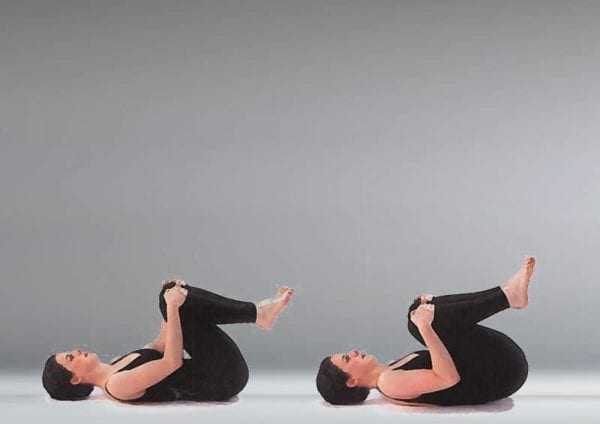
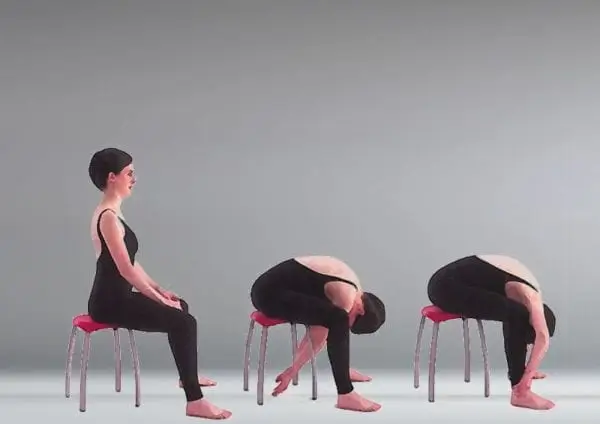
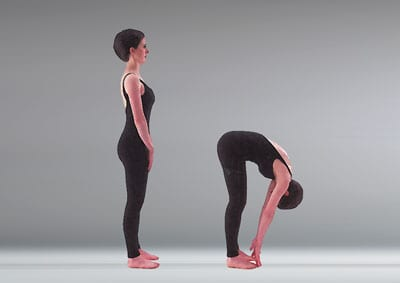

What To Expect During McKenzie Method Therapy at SpineOne
Starting a new treatment can come with a lot of questions, but at SpineOne, we make the process straightforward and focused on you. Here’s an overview of what you can expect when you begin care at our Lone Tree clinic:
- A comprehensive evaluation of your symptoms
- Movement-based testing to identify pain patterns
- A clear diagnosis and classification
- A personalized exercise plan
- Guidance on how to manage your condition at home

Why Choose SpineOne for McKenzie Method Physical Therapy?
At SpineOne, we offer a specialized, patient-centered approach to spine care that includes:
- Experienced physical therapists focused on neck and back pain
- Physical therapists specially certified in the McKenzie Method
- Integrated care with spine specialists and advanced treatment options
- A focus on long-term outcomes, not temporary relief
- A convenient, one-stop location for Denver Metro residents at our Lone Tree clinic
- Same-day appointments and streamlined care
Take Control of Your Pain With the McKenzie Method at SpineOne
You don’t have to navigate neck or back pain on your own or settle for temporary relief. At SpineOne, we combine the proven McKenzie Method with a comprehensive approach to spine care, giving you access to everything you need in one place. From expert physical therapy and advanced diagnostics to minimally invasive treatments and surgical options when necessary, our team is equipped to support you at every stage of your recovery.
If you’re ready to better understand your pain, move with confidence, and take a more active role in your recovery, the McKenzie Method may be the right place to start. Schedule your evaluation today and take the first step toward lasting relief with a team dedicated to helping you lead an active, pain-free life.
Frequently Asked Questions About the McKenzie Method
Who should not do McKenzie exercises?
Certain conditions, such as neurological disorders, fractures, instability, or inflammatory issues, may require alternative approaches. A professional evaluation is recommended to determine if this method is appropriate for you.
Does the McKenzie Method work for sciatica?
The McKenzie Method is commonly used for sciatica and other types of radiating pain, particularly when symptoms respond to movement.
Is McKenzie exercise good for a herniated disc?
The McKenzie Method is often used for disc-related issues, especially when symptoms improve with specific movements.
How often should I do McKenzie exercises?
McKenzie Method exercises are typically performed multiple times per day, but frequency varies based on your individualized plan.
Can I do the McKenzie Method at home?
Yes. One of the primary goals of the McKenzie Method is to teach you how to manage your symptoms independently with guidance from your therapist.
Do I need a referral for physical therapy?
In many cases, a referral is not required. Our team can help guide you through the process.
Is the McKenzie Method covered by insurance?
Most major insurance plans cover physical therapy. Coverage details may vary, but our team can assist with verification and other financial questions.