

Precision Spine Care with Less Downtime

Dry Needling Therapy for Muscle Pain Relief
For more than 20 years, the SpineOne team has helped patients across Metro Denver find relief from neck and back pain through advanced, targeted treatments designed to address the source of discomfort while minimizing disruption to daily life. Our focus is on providing expert spine care that is efficient, thoughtful, and centered around your needs.
Neck and back pain is our specialty, and we offer a full spectrum of minimally invasive treatment options under one roof. From image-guided procedures to advanced surgical solutions, our experienced physicians tailor care plans to each patient’s condition and goals. When conservative options aren’t enough, our minimally invasive techniques can reduce tissue disruption, shorten recovery time, and help you return to the activities you love as safely and efficiently as possible.
Schedule an appointment online today or call our office to speak with our team and take the next step toward relief.
What Are Minimally Invasive Spine Treatments?
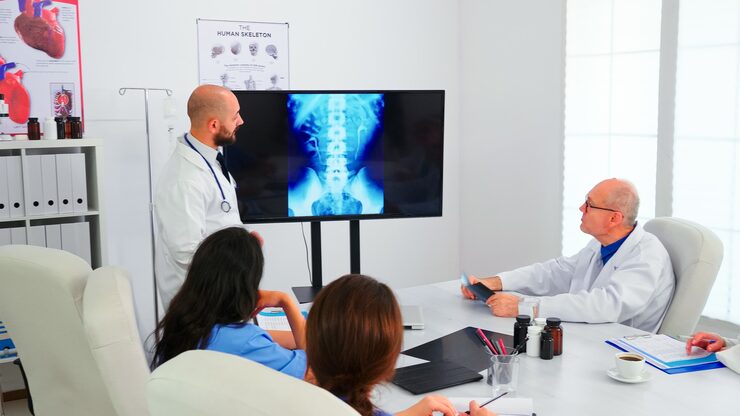
Minimally invasive spine treatments are advanced procedures designed to treat neck and back conditions using smaller incisions and highly targeted techniques. Instead of large surgical openings or extensive muscle disruption, these approaches use specialized instruments and image guidance to access the spine with greater precision. The goal is to address the source of pain while reducing impact on surrounding tissues.
Since these procedures are less disruptive to the body than traditional open surgery, many patients experience shorter procedure times and a smoother recovery process. At SpineOne, minimally invasive treatments are carefully recommended based on each patient’s condition, symptoms, and overall health.
Minimally Invasive Procedures vs. Open Surgery
While both minimally invasive and open spine surgery aim to relieve pain and restore function, the approach and recovery experience can differ significantly. Here’s how they compare:
Minimally Invasive Spine Treatments
Smaller incisions
Uses specialized instruments and image guidance
Designed to limit disruption to surrounding muscles and tissue
Often associated with shorter procedure times
Typically supports a streamlined recovery process for appropriate candidates
Frequently performed in outpatient or short-stay settings
Traditional Open Spine Surgery
Larger incisions
Requires greater exposure of the spine
May involve more muscle and tissue disruption
May require longer operating times
Often involves a longer recovery period
More commonly requires a hospital stay
What Conditions Are Minimally Invasive Spine Treatments Used For?
Minimally invasive spine treatments may be appropriate for a variety of neck and back conditions, particularly when conservative therapies have not provided sufficient relief.
Disc-Related Conditions
- Herniated Disc
- Degenerative Disc Disease
Nerve Compression Conditions
- Spinal Stenosis
- Sciatica
Spinal Instability & Structural Conditions
- Spondylolisthesis
- Vertebral Compression Fractures
Joint-Related Conditions
- Facet Joint Syndrome
Disc-Related Conditions
- Herniated Disc
- Degenerative Disc Disease
Nerve Compression Conditions
- Spinal Stenosis
- Sciatica
Spinal Instability & Structural Conditions
- Spondylolisthesis
- Vertebral Compression Fractures
Joint-Related Conditions
- Facet Joint Syndrome

Benefits of Minimally Invasive Spine Intervention
Minimally invasive spine procedures are designed with precision and efficiency in mind. For appropriate candidates, potential benefits may include:
- Smaller incisions
- Less disruption to surrounding muscles and soft tissue
- Shorter procedure times
- Lower risk of excessive tissue damage
- Less postoperative discomfort
- A more streamlined recovery process
- Outpatient or short-stay treatment options
- Earlier return to daily activities
At SpineOne, every treatment recommendation is based on a comprehensive evaluation to determine the safest and most effective approach for your specific condition. If you’re interested in minimally invasive options for neck or back pain, schedule an appointment online or call our Lone Tree office at (303) 367-2225 to learn more.
Types of Minimally Invasive Treatments at SpineOne in Lone Tree, CO
We provide a range of minimally invasive procedures to help address neck and back pain. Each treatment is recommended based on your specific condition and goals.
Annuloplasty
Annuloplasty is a minimally invasive procedure to treat certain types of chronic disc-related back pain. Using targeted heat or energy, the physician treats small tears in the outer layer of a spinal disc. The goal is to reduce nerve sensitivity within the disc and improve stability.
Disc Decompression
Disc decompression is designed to relieve pressure caused by a herniated or bulging disc. Using specialized instruments, the physician removes or reduces a portion of disc material to decrease irritation on nearby nerves. This approach aims to address radiating pain while limiting disruption to surrounding tissue.
Kyphoplasty
Kyphoplasty is a minimally invasive treatment for certain vertebral compression fractures, often caused by osteoporosis or injury. During the procedure, a small balloon is inserted to help restore vertebral height, and medical-grade cement is placed to stabilize the bone. The goal is to improve spinal support and reduce fracture-related pain.
Nerve Root Block
A nerve root block is an image-guided injection that targets a specific spinal nerve believed to be causing pain. It delivers anti-inflammatory medication near the affected nerve to help reduce irritation. This procedure may be used for both diagnostic and therapeutic purposes in patients with neck or back pain.
Radiofrequency Ablation
Radiofrequency ablation uses controlled heat generated by radio waves to interrupt pain signals from irritated facet joints or specific spinal nerves. This procedure is often considered when other conservative treatments have not provided sufficient relief. It is performed with image guidance to ensure precise placement.
Spinal Cord Stimulation
Spinal cord stimulation involves placing a small device near the spinal cord that delivers mild electrical impulses to modify pain signals before they reach the brain. This treatment is typically considered for certain chronic pain conditions when other therapies have not been effective. A trial period is usually conducted first.
Annuloplasty
Annuloplasty is a minimally invasive procedure to treat certain types of chronic disc-related back pain. Using targeted heat or energy, the physician treats small tears in the outer layer of a spinal disc. The goal is to reduce nerve sensitivity within the disc and improve stability.
Disc Decompression
Disc decompression is designed to relieve pressure caused by a herniated or bulging disc. Using specialized instruments, the physician removes or reduces a portion of disc material to decrease irritation on nearby nerves. This approach aims to address radiating pain while limiting disruption to surrounding tissue.
Kyphoplasty
Kyphoplasty is a minimally invasive treatment for certain vertebral compression fractures, often caused by osteoporosis or injury. During the procedure, a small balloon is inserted to help restore vertebral height, and medical-grade cement is placed to stabilize the bone. The goal is to improve spinal support and reduce fracture-related pain.
Nerve Root Block
A nerve root block is an image-guided injection that targets a specific spinal nerve believed to be causing pain. It delivers anti-inflammatory medication near the affected nerve to help reduce irritation. This procedure may be used for both diagnostic and therapeutic purposes in patients with neck or back pain.
Radiofrequency Ablation
Radiofrequency ablation uses controlled heat generated by radio waves to interrupt pain signals from irritated facet joints or specific spinal nerves. This procedure is often considered when other conservative treatments have not provided sufficient relief. It is performed with image guidance to ensure precise placement.
Spinal Cord Stimulation
Spinal cord stimulation involves placing a small device near the spinal cord that delivers mild electrical impulses to modify pain signals before they reach the brain. This treatment is typically considered for certain chronic pain conditions when other therapies have not been effective. A trial period is usually conducted first.
What To Expect After Minimally Invasive Spine Intervention
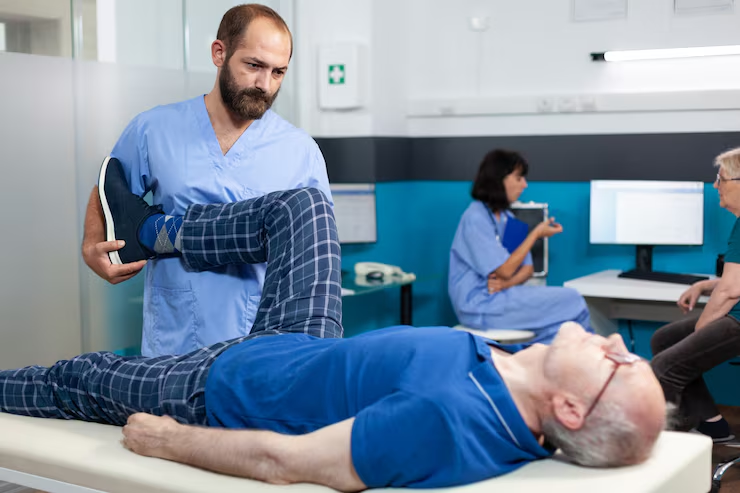
Recovery experiences vary depending on the type of procedure and your individual health, but minimally invasive techniques are designed to support a more streamlined recovery process compared to traditional open surgery. Our team will always provide detailed guidance so you feel confident about what comes next.
After your procedure, you can generally expect:
- Monitoring for a short period before going home (many procedures are outpatient)
- Post-procedure soreness or mild discomfort, which is typically temporary
- Clear discharge instructions outlining activity guidelines and care recommendations
- Gradual return to normal activities, based on your physician’s guidance
- Follow-up appointments to monitor healing and progress
- A personalized rehabilitation or physical therapy plan, if appropriate
Our goal is to support your recovery with clear communication, accessible follow-up care, and a focus on helping you safely return to your daily routine.

Why SpineOne? Minimally Invasive Treatments Are Our Speciality
Our physicians specialize in minimally invasive spine procedures, bringing advanced training and experience to every treatment plan. That depth of expertise allows us to carefully evaluate your condition and recommend options designed to address the source of pain with precision and efficiency.
As a true one-stop shop for spine care, we offer everything from clinic evaluations and imaging to injections, minimally invasive surgery, and physical therapy all under one roof. Patients appreciate SpineOne because of our streamlined process and commitment to exceptional care without compromise. As a result, we make it easier to get answers, receive expert treatment, and move forward with confidence.
Meet Our Spine Intervention Specialists
Dr. Hashim Khan and Dr. Bradley Hakim combine extensive clinical experience with specialized expertise in modern spine care. Their background includes performing advanced minimally invasive procedures, precision-guided spinal injections, and comprehensive interventional treatments focused on addressing complex neck and back pain conditions.


Trusted by Patients Across the Denver Metro Area
Explore Minimally Invasive Treatments at SpineOne Today
If neck or back pain is limiting your ability to work, stay active, or enjoy daily life, you don’t have to wait to explore your options. At SpineOne, we combine advanced minimally invasive techniques with more than 20 years of focused spine expertise to deliver thoughtful, efficient care tailored to your needs. From your first evaluation through recovery, our team is committed to making the process clear, supportive, and centered around you.
Schedule an appointment online today and discover how specialized, minimally invasive spine care can help you feel like your best self again.
Frequently Asked Questions
What are signs that conservative treatments are no longer enough?
If your pain persists despite rest, physical therapy, medications, or injections, it may be time to explore additional options. Other signs include worsening symptoms, progressive numbness or weakness, or pain that significantly limits daily activities. A comprehensive evaluation helps determine whether a minimally invasive procedure may be appropriate for your condition.
Will I need to stay overnight after a minimally invasive spine procedure?
Many minimally invasive spine procedures are performed on an outpatient basis, meaning patients go home the same day. However, the need for an overnight stay depends on the specific procedure, your overall health, and your physician’s recommendation. Your care team will review all expectations with you in advance.
How soon can I return to work after minimally invasive spine surgery?
Recovery timelines vary depending on the procedure performed and the physical demands of your job. Some patients are able to return to light-duty work relatively quickly, while others may need additional time before resuming full activity. Your physician will provide personalized guidance based on your treatment plan and progress.
Will I need physical therapy after a minimally invasive procedure?
Physical therapy is often recommended after certain minimally invasive spine procedures to support strength, mobility, and long-term function. A structured rehabilitation plan can help reinforce proper movement patterns and promote recovery. Your physician will determine whether therapy is appropriate based on your condition and procedure type.
Does minimally invasive spine surgery require general anesthesia?
Some minimally invasive spine procedures are performed under general anesthesia, while others may use local anesthesia with sedation. The type of anesthesia depends on the complexity of the procedure and your individual health factors. Your care team will review anesthesia options and answer any questions before your procedure.