
Sciatica Symptoms & Treatment Options
Getting Relief from Low Back & Leg Pain Caused by Sciatica
What is Sciatica?
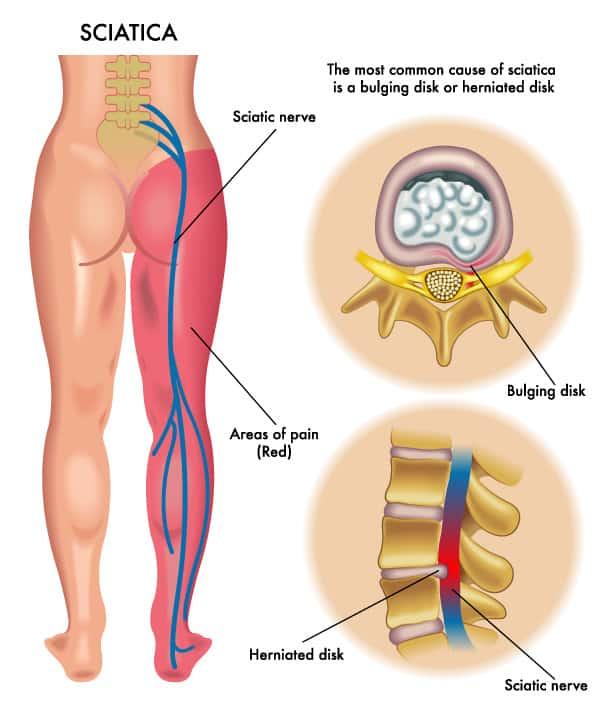
The term sciatica refers to one of many common conditions which inflame or irritate the sciatic nerve, which is the largest single nerve in your body. Sciatic pain may also be referred to as Lumbar Radiculopathy. The sciatic nerve starts in your lower back and continues down your leg. The size and complexity of this nerve means that nerve pain can have various symptoms and causes, including disc herniation, spinal stenosis, and piriformis syndrome.
Sciatica can be acute, lasting a few weeks, or chronic, persisting for more than 3 months. Anyone can develop sciatica at some point in their lives; however there are certain risk factors that may predispose you to develop sciatica, such as advanced age, a sedentary lifestyle, occupational risks, genetics, or poor nutrition.

What are the Symptoms of Sciatica?
So how do you know if you have sciatica? Most often the symptoms are
- Shooting pain the back of the leg and/or lower back
- Numbness or tingling in your legs
- Trouble moving or staying active
- Stiffness in your feet
- Pain during the night
- Nagging pain after sitting or standing for a long time
The cause of the pain, numbness, tingling, and weakness depends on where the nerve is pinched. For example, symptoms in your foot and ankle indicate nerve impingement near lumbar segment 5 (L5).
What Causes Sciatic Nerve Pain?
Disc Herniation
The vast majority of sciatic nerve pain is caused by a herniated disc (also known as a slipped disc or a ruptured disc). This means a disc in the spine has cracked or torn, causing it to protrude into the spinal canal. This protrusion can pinch the sciatic nerve, which sends pain signals down the associated leg.
Piriformis Syndrome
The piriformis muscle is located in the buttock region. When the piriformis muscles spasm , it can irritate the nearby sciatic nerve and cause pain, numbness, and tingling along the back of the leg and into the foot.
Spinal Stenosis
Spinal stenosis is a narrowing of the spine’s passageways. This narrowing causes the nerves to become compressed, which can result in pain, tingling, weakness, loss of balance, and immobility. The nerve compression of spinal stenosis can cause sciatic leg pain, which is usually brought on by activities like standing and walking.
Spondylolisthesis
Spondylolisthesis is a condition wherein a vertebra slips forward over an adjacent vertebra. This displacement causes spinal nerve root compression and often results in sciatic leg pain. Spondylolisthesis is usually caused by spinal degeneration, trauma, or physical stress.

How is Sciatic Nerve Pain Treated?
Chiropractor/Massage
Chiropractors and massage therapy will focus on relieving the muscle tension in the sensitive area and also re-aligning the spine to reduce impingement and irritation. In some cases, this will provide short or even long-term relief, but in the cases of herniation, stenosis, and spondylolisthesis, these treatments may only temporarily alleviate the symptoms.
Pain Medication
Over-the-counter or prescription pain medications are usually effective in relieving sciatica pain. These medications can reduce the inflammation contributing to the pain, which can offer short-term relief. In the cases of severe pain, muscle relaxants or narcotic medications can help offer quick but temporary relief.
Epidural Steroid Injections
For severe sciatic nerve pain, an epidural steroid injection in the area around the nerve can reduce inflammation and affect relief. Unlike oral pain medication, these injections are made directly into the inflamed area. The relief from these injections helps you resume your normal range of activities and allows you to move forward with long-term physical therapy.
Physical Therapy
Long-term relief from sciatica pain will most likely involve some form of physical therapy. Chiropractors, medications, and injections can provide relief from pain symptoms, but physical therapy will help promote muscle balance and physical conditioning to maintain a pain-free life in the long term.
Surgery
Surgery is always a last resort for managing sciatic nerve pain and should only be explored after chiropractic treatments, pain medication, injections, and physical therapy have failed to provide relief. If your pain is persistent and prevents you from engaging in daily activities, your doctor may explore a surgical option.
Can Sciatica Be Managed with Home Exercise?
Before we talk about home pain management, it’s important to stress again that sciatica is a symptom and not a diagnosis. While some of these home remedies can help you temporarily manage or alleviate the pain, you should see a physician to determine the cause of the sciatic nerve pain. He or she will help you outline a long term treatment plan so your pain doesn’t return or become permanent.
Activity/Stretching
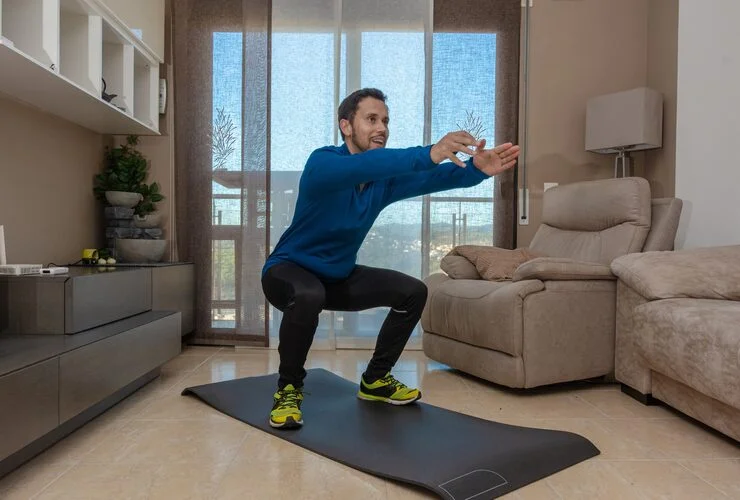
Light stretches and isometric workouts can help relieve the pain from sciatica while also improving your general health or strength. Consult with a physical therapist to learn which exercises are beneficial and to make sure proper form is used.
Heat
Heating pads, such as those found at most drug stores, can provide temporary relief. A heating pad placed on the lower back and left on low/medium heat for 20 minutes can help you manage the pain. This can be repeated several times a day as needed.
Diet & Lifestyle
To combat inflammation and improve your odds of feeling better more quickly, make sure to eat a nutrient-dense healing diet, avoid smoking/using recreational drugs, and get exercise and good sleep.

How Should I Choose a Doctor to Treat My Sciatica?
You have many practitioners to choose from who can offer to help your sciatic pain. Most chiropractors, orthopedic surgeons, pain management specialists, and physical therapists specialize in specific treatments for sciatica. While each of these may be appropriate treatments for the various causes of sciatica, how each patient responds to those treatments can vary.
For this reason, we recommend a multi-disciplined specialist who recognizes these differences and offers many treatment options, from injections to physical therapy, or a referral for chiropractic care. SpineOne offers many of these exam, imaging, and treatment options in one location, often with same-day appointments. To learn more, schedule your consultation today.